
TURP Surgery in Faridabad
TURP surgery in Faridabad is a surgical treatment to relieve symptoms of urinary problems due to an enlarged prostate. An enlarged prostate blocks the flow of urine and if it becomes too large, a surgical procedure is necessary to remove a part of it.
At ILSS Ashwani Hospital in Faridabad, an expert team of urologists assesses patients to determine whether they require TURP or other surgical interventions for their urinary issues.
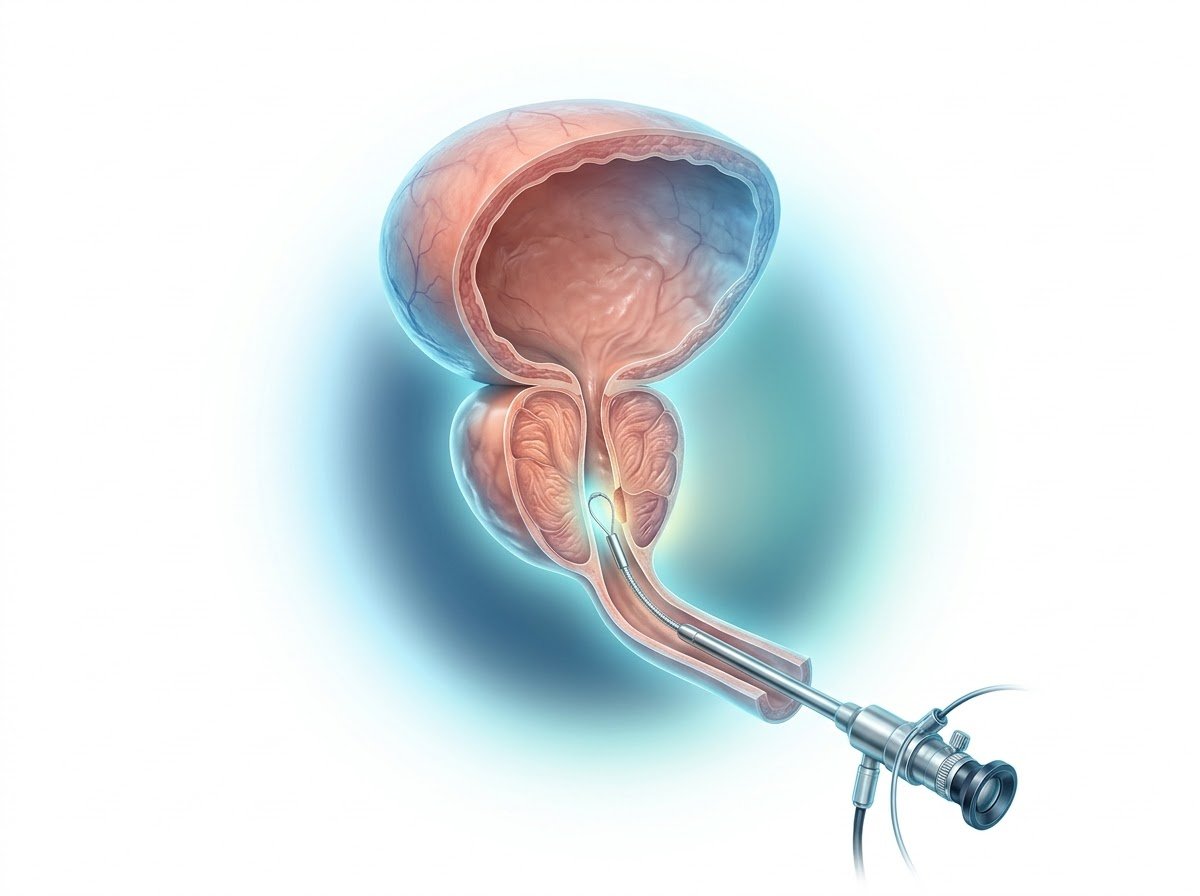
What Is TURP Surgery?
TURP stands for Transurethral Resection of the Prostate. This is an endoscopic technique done to manage the obstruction of urine flow due to the prostate’s enlarged size. No cut outside the body is needed since the tool will be inserted through the urethra, the tube through which urine flows out of the body.
This technique involves the removal of the tissue causing the restriction of urine flow. TURP might help address problems like weak urine flow, inability to initiate urination and difficulty in completely draining the bladder.
TURP can be considered when there are problems related to the urinary system.
When Is TURP Recommended?
A urologist may recommend TURP for an enlarged prostate, especially if the individual experiences one or more of the following:
A weak urine stream
Interruption of the urine stream
Frequent urination, especially at night
The sensation of not completely emptying the bladder
Inability to empty the bladder
Repeated urinary tract infections (UTIs) due to obstruction
Stones in the bladder
Other complications caused by prostate enlargement
Not every large prostate requires surgery. Factors such as the individual’s symptoms, the results of tests, the person’s history, medication, and the surgeon’s judgment affect the surgical decision.
How Is TURP Surgery Performed?
TURP is a surgical procedure done under spinal or general anesthesia. It involves the following steps:
The patient is given postoperative instructions and catheter care instructions and monitored by the nursing staff.
Benefits of TURP Surgery
For the right candidates, TURP has many potential benefits including:
Better urine flow
Eased urinary symptoms from obstructive prostates
Improved emptying of an obstructed bladder
Endoscopic removal of prostate tissue for potential pathologic evaluation
TURP vs HoLEP Surgery
TURP and HoLEP are both used to treat urinary obstruction caused by an enlarged prostate, but they use different techniques.
| Feature | TURP | HoLEP |
|---|---|---|
| Full form | Transurethral Resection of the Prostate | Holmium Laser Enucleation of the Prostate |
| Technique | Removes tissue using a specialised resection instrument | Uses a holmium laser to separate obstructing prostate tissue |
| Access | Through the urethra | Through the urethra |
| Prostate size | Commonly used for selected small to moderately enlarged prostates | Can be suitable for a wide range of prostate sizes, including large prostates |
| Suitability | Depends on prostate size, health and clinical findings | Depends on prostate size, health and clinical findings |
Neither procedure is automatically best for every patient. Your urologist can recommend the appropriate option based on your symptoms, prostate characteristics and treatment goals.
TURP Surgery at ILSS Ashwani Hospital, Faridabad
ILSS Ashwani Hospital provides specialised urology services in Faridabad, including the assessment and treatment of prostate-related urinary problems. The hospital’s urology team can evaluate symptoms of prostate enlargement and discuss suitable surgical and non-surgical treatment options based on clinical findings.
Why Consider ILSS for Prostate Treatment?
- Specialised urology services: Assessment of prostate enlargement and related urinary problems.
- Treatment evaluation: Consideration of surgical and non-surgical options based on clinical findings.
- Individualised planning: Recommendations based on prostate size, symptoms and overall health.
- Postoperative care: Monitoring, recovery instructions and follow-up guidance.
TURP Surgery Cost in Faridabad
The cost of TURP surgery in Faridabad varies according to the patient’s condition, procedure requirements and hospital stay. An individual estimate can be provided after medical evaluation.
Factors that may affect the cost include:
Prostate size and complexity of the procedure
Preoperative tests and investigations
Anaesthesia and operating room requirements
Hospital stay and postoperative monitoring
Medication, catheter care and follow-up appointments
Treatment of associated urinary complications
For a personalised cost estimate, consult the urology team at ILSS Ashwani Hospital.
Recovery After TURP Surgery
Recovery after TURP varies from patient to patient. A urinary catheter is generally required for a short period after surgery, depending on urine flow and the treating team’s assessment.
During recovery, your doctor may advise you to:
Take prescribed medication as directed
Drink fluids according to medical advice
Avoid heavy lifting and strenuous activities until cleared by your surgeon
Attend follow-up appointments
Follow instructions regarding catheter removal and activity
Some urinary frequency, urgency or mild burning may occur temporarily.
Frequently Asked Questions