Orthopaedic Hospital in Faridabad
The symptoms related to orthopedic problems might make it difficult for individuals to perform daily tasks like walking, working, exercising, and even climbing stairs. For those seeking an Orthopaedic Hospital in Faridabad, the ILSS Ashwani Hospital is providing a range of multi-specialty healthcare services, which include orthopedic treatment for bone, joint, and musculoskeletal disorders.
No matter whether you have joint pains, a sports injury, a fracture, or any other issues related to arthritis, a medical examination would certainly help you determine the cause and treat accordingly through medications, physiotherapy, or rehabilitation.
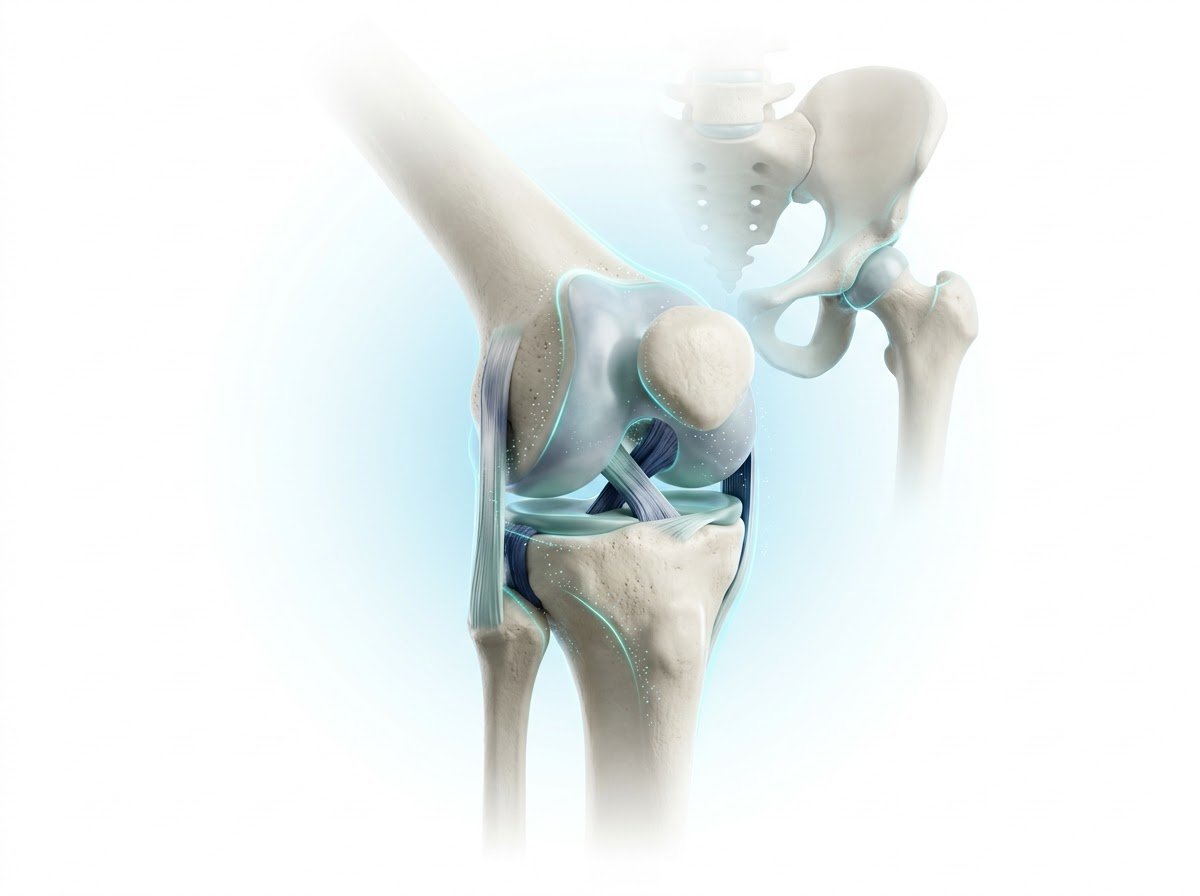
Orthopaedic Services at ILSS Ashwani Hospital
Orthopaedics is the treatment of diseases related to the bones, joints, muscles, ligaments, tendons, and associated parts. Proper assessment would help in determining the underlying cause of the problem and if surgery or other treatments might be required.
1. Knee Pain and Knee Joint Conditions
Knee pain can develop because of osteoarthritis, ligament injuries, cartilage damage, overuse, or other joint problems. Common symptoms include swelling, stiffness, difficulty climbing stairs, and discomfort while walking.
2. Hip Pain and Hip Joint Disorders
Hip joint problems can make walking, standing, and everyday movements difficult. Osteoarthritis, injuries, and other conditions affecting the hip joint or surrounding tissues may cause pain and restricted movement.
3. Fracture and Trauma Care
A fracture is a break in a bone that may occur following a fall, accident, sports injury, or other trauma. Symptoms can include pain, bruising, visible deformity, and difficulty moving the affected area.
4. Sports Injuries and Ligament Problems
Sports injuries can affect the ligaments, tendons, muscles, and cartilage. Common examples include anterior cruciate ligament (ACL) injuries, meniscus tears, and ankle ligament injuries.
5. Arthritis and Joint Degeneration
Arthritis can cause joint pain, stiffness, swelling, and reduced mobility. Osteoarthritis develops as the tissues within a joint gradually deteriorate, while other forms of arthritis may have different underlying causes.
6. Spine and Musculoskeletal Conditions
Back pain, neck pain, and certain nerve-related symptoms can arise from spinal or musculoskeletal conditions. The appropriate treatment depends on the location, duration, and nature of the symptoms.
Common Symptoms That May Require an Orthopaedic Consultation
Consider consulting an orthopaedic specialist if you experience:
Persistent knee, hip, shoulder, or back pain
Joint stiffness or restricted movement
Swelling around a joint
Difficulty walking or bearing weight
Pain following a fall, accident, or sports injury
Repeated joint instability
Reduced mobility affecting daily activities
Pain that continues despite initial treatment
These symptoms can have several causes. An orthopaedic specialist can assess the affected area and recommend further investigations when necessary.
Diagnostic Tests for Orthopaedic Conditions
Diagnosis begins with a review of symptoms and a physical examination. Depending on the suspected condition, the specialist may recommend:
Imaging
Lab & Physical Assessment
Not every patient needs imaging or laboratory tests. Investigations are selected according to the clinical findings.
Non-Surgical and Surgical Orthopaedic Treatment
The aim of orthopaedic treatment is to address the underlying condition, relieve symptoms, and improve mobility wherever possible.
Non-Surgical Treatment
Depending on the diagnosis, treatment may include:
The choice of treatment depends on the condition, its severity, and the patient’s overall health.
Orthopaedic Surgery
Surgery may be considered when non-surgical treatment is insufficient or when a particular injury requires an operation. Depending on the diagnosis and available services, procedures may include fracture fixation, ligament surgery, or joint replacement.
Before proceeding, patients should discuss the expected benefits, potential risks, alternatives, and recovery requirements with their treating surgeon.
Recovery After Orthopaedic Treatment
Recovery varies according to the condition, treatment method, general health, and rehabilitation needs. Following the recommended care plan can help patients work towards improved movement and function.
Patients may need to:
Follow the prescribed rehabilitation programme
Take medication as directed
Attend follow-up appointments
Use crutches, braces, or other supports if recommended
Increase physical activity gradually according to medical advice
Avoid strenuous activities until cleared by the treating specialist
Recovery after surgery may take several weeks or months, depending on the procedure. Following professional guidance is important throughout the recovery process.
Why Consider ILSS Ashwani Hospital for Orthopaedic Care?
ILSS Ashwani Hospital provides multispecialty healthcare services in Faridabad, including orthopaedic care. Patients can contact the hospital to enquire about consultations, available specialists, and specific treatments.
Choosing an orthopaedic hospital involves considering:
- The specialist’s qualifications
- Available diagnostic facilities
- Treatment options
- Rehabilitation support
- Follow-up arrangements
A suitable treatment plan should be based on an appropriate clinical assessment, the patient’s symptoms, and individual healthcare needs.
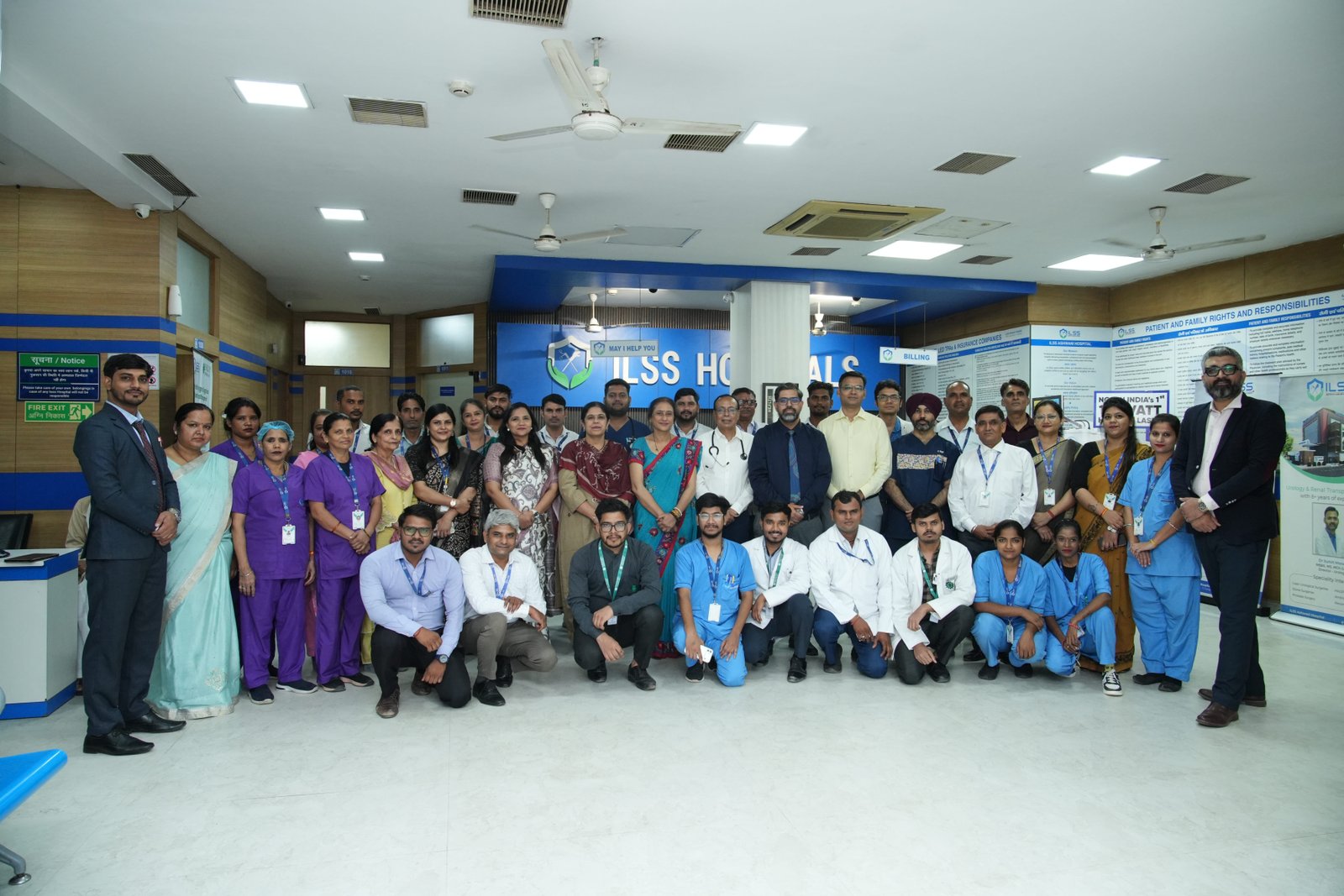
Orthopaedic Hospital in Faridabad for Patients Across Delhi NCR
ILSS Ashwani Hospital is located in Sector 11, Faridabad, Haryana. Patients from Faridabad and nearby areas of Delhi NCR can contact the hospital to enquire about orthopaedic consultations and available services.
Before travelling, confirm the availability of the relevant specialist, diagnostic investigations, and any procedure you may require.
Frequently Asked Questions