Kidney Stone Treatment in Faridabad
ILSS Ashwani Hospital offers high-quality services for the removal of kidney stones in Faridabad. The treatment includes medical therapy and surgical interventions such as laser and minimally invasive techniques to remove kidney or ureteric stones.
ILSS Ashwani Hospital’s highly skilled urologists utilize the latest diagnostic and surgical facilities to investigate stones of various sizes and complexities.
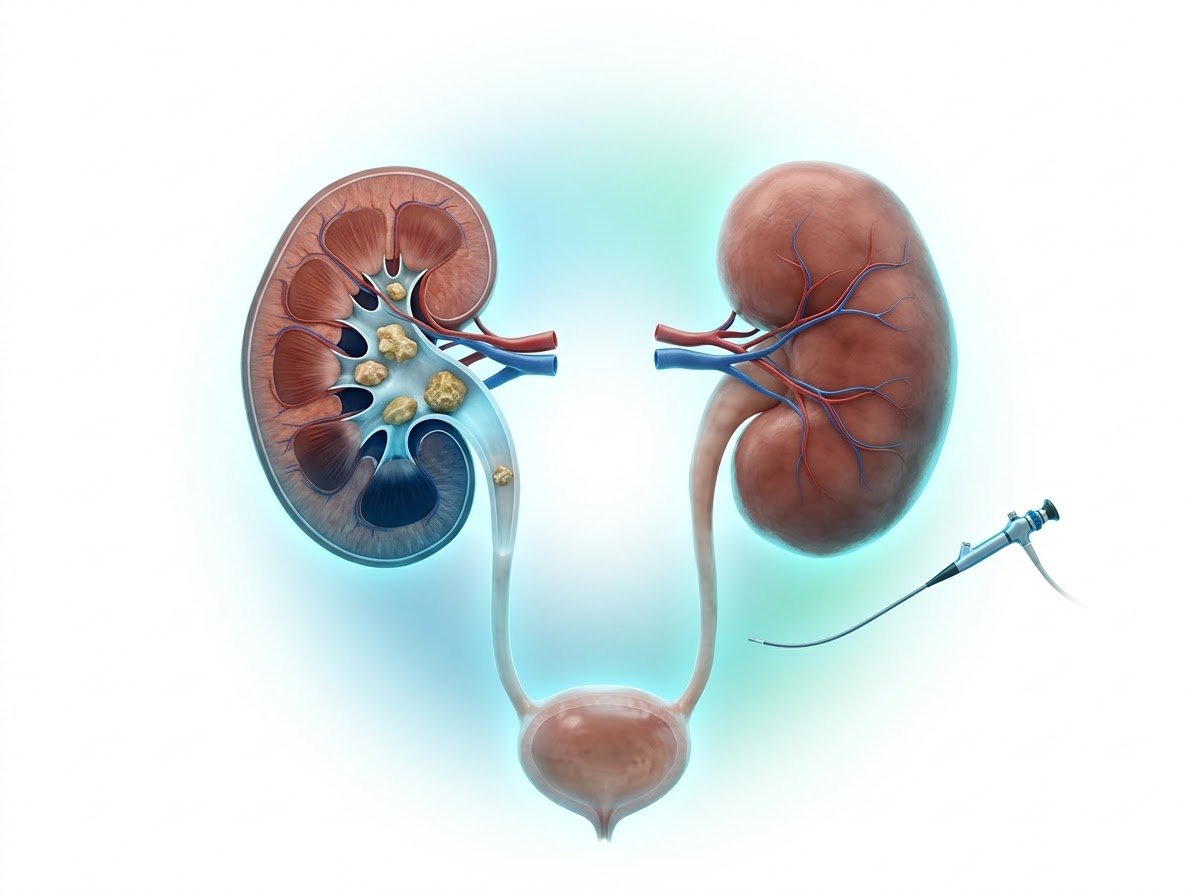
What Are Kidney Stones?
Kidney stones are hard deposits created by the crystallisation of minerals and salts in urine. Kidney stones can be tiny like a grain of sand or large and complicated stones that occupy sections of the kidney.
Tiny stones may be eliminated from the body without the need for surgery.
Large stones on the other hand may cause extreme pain and complications such as infections. Prompt diagnosis is necessary to determine the nature of the stone so the right treatment can be prescribed.
Common Symptoms of Kidney Stones
Kidney stones may fail to exhibit symptoms until they reach the ureter or cause obstruction to urine passage. Some symptoms include:
Increased frequency and urgency to urinate
Nausea and vomiting
Pain during urination
Urination of blood
Urine that is cloudy or foul-smelling
Intense pain in the back, flank or lower abdomen area
Pain radiating towards the groin region
Difficulty urinating
When Do Kidney Stones Need Treatment?
Not every kidney stone requires surgery. Small stones may pass naturally with appropriate medical supervision. However, treatment may be necessary in the following situations:
Severe pain
Persistent or recurring pain that does not improve with prescribed medication.
Large stones
Stones unlikely to pass naturally because of their size.
Urinary blockage
Stones obstructing urine flow and potentially affecting kidney function.
Repeated infections
Stones associated with recurrent urinary tract infections.
Growing stones
Stones increasing in size or causing kidney damage.
Failure to pass
Stones remaining in the urinary tract despite observation.
Complex stones
Multiple or branching stones that require specialised removal.
A urologist will assess your symptoms, imaging findings and overall health before recommending treatment.
Kidney Stone Treatment Options at ILSS
ILSS Ashwani Hospital provides various options for treatment of kidney stones, ranging from non-surgical treatments to modern minimally invasive techniques, depending on the size and other factors of the stone.
RIRS Surgery
The procedure of Retrograde Intrarenal Surgery (RIRS) is performed as a minimally invasive surgery for certain cases of kidney stones. This technique involves using a flexible ureteroscope through which the laser energy disintegrates the stone into pieces or dust.
PCNL Surgery
Percutaneous Nephrolithotomy (PCNL) is usually considered for patients with large or complicated kidney stones, especially when the size exceeds 20 mm.
Mini-PCNL
Mini-PCNL is a modified form of PCNL where a small tract is used for accessing and removing the kidney stones.
URS / URSL Surgery
Ureteroscopy (URS) is one of the most common techniques used for treating kidney stones in the ureter, which is the tube that drains urine from the kidney to the bladder.
ECIRS
Endoscopic Combined Intrarenal Surgery (ECIRS) is a procedure that utilizes retrograde and percutaneous access to treat selected cases of large or complicated kidney stones.
ESWL
Extracorporeal Shock Wave Lithotripsy (ESWL) is a technique in which shock waves produced externally are used to fragment selected stones inside the kidney or upper ureter.
Advanced Laser Kidney Stone Treatment
North India’s First 150-Watt Holmium Laser at ILSS
ILSS Ashwani Hospital is the first hospital in North India to get the 150-Watt Holmium Laser by Jena Surgical. This is being used in advanced laser-assisted kidney stone surgeries and various urological procedures.
This technology enables surgeons to fragment stones during procedures like Retrograde Intrarenal Surgery (RIRS) or ureteroscopy. The hospital has other advanced equipment and systems for flexible ureteroscopy, complex stone surgery, high-definition endoscopic systems and more.
The choice of laser-assisted treatment is based on the nature of the stone, the anatomy of the patient and the surgeon’s clinical judgment.
Explore Laser Surgery →How Is the Right Kidney Stone Treatment Decided?
Treatment Depends on the Stone and the Patient
There is no standard procedure that works for all kidney stones. Before giving you any treatment advice, your urologist takes into account the following:
The Stone
The Patient
Imaging studies and blood/urine studies can help in devising a treatment plan.
Why Choose ILSS for Kidney Stone Treatment?
ILSS Ashwani Hospital has specialised urology professionals, the latest technology and personalised treatment planning for kidney stone patients.
- North India’s first 150-Watt Holmium Laser by Jena Surgical: The hospital made this announcement.
- Specialised Urologists: Urologists trained in endourology, laser surgery and minimally invasive stone surgery.
- Variety of Treatment Options: RIRS, PCNL, Mini-PCNL, URS, URSL, ECIRS and ESWL for various stone conditions.
- Manage Stone Diseases: Options available for selected large, multiple and staghorn kidney stones.
- Surgical Infrastructure: HD ureteroscopy and fully equipped operation theatres.
- Care beyond Surgery: Assessment, treatment and post-treatment care all in one place.
- 24/7 Emergency Services: For patients requiring immediate medical help.
- Tailor-made Treatment Plans: Based on the type of stones and patients’ individual needs.
Empathy and kindness along with expert advice and treatment is our primary focus.
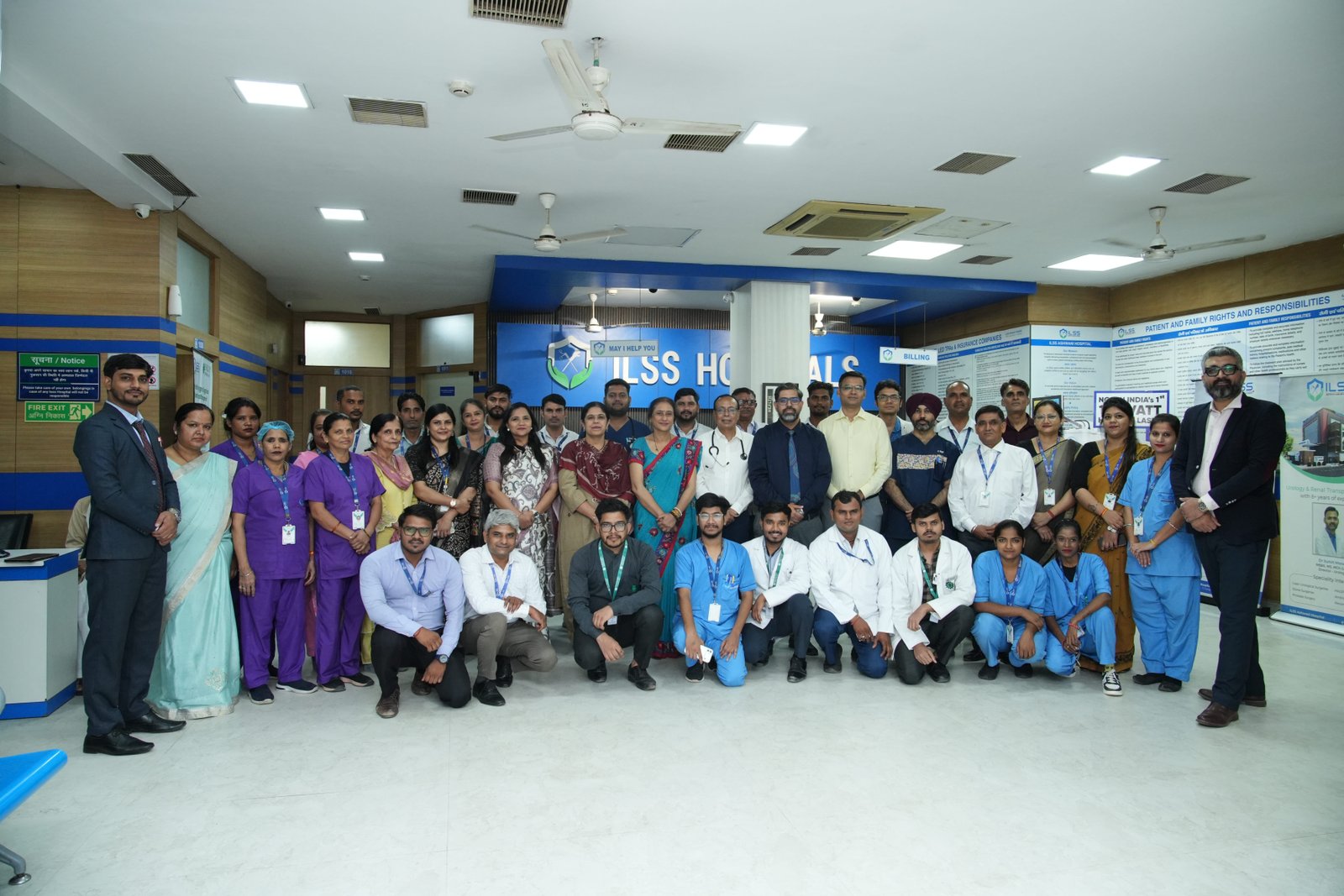
Meet Our Urology Specialists
Experienced Urologists at ILSS Ashwani Hospital
Our urology specialists provide evaluation and treatment for kidney stones, prostate disorders and other urinary conditions, using medical management and surgical techniques according to clinical requirements.
Dr. Tanuj Paul Bhatia
Dr. Tanuj Paul Bhatia has over 20 years of experience, as listed on the hospital’s kidney stone treatment page. His areas of expertise include advanced endourology, kidney stone surgery, laser prostate procedures, reconstructive urology and management of complex urological conditions.
Book ConsultationDr. Sumit More
Dr. Sumit More has over 15 years of experience, as listed on the hospital’s kidney stone treatment page. His clinical expertise includes endoscopic urology, kidney stone management, laser procedures, prostate surgery and minimally invasive urological treatment.
Book ConsultationRecovery After Kidney Stone Treatment
The recovery process after treatment will vary depending on the type of treatment performed, the complexity of the stones and the general state of your body.
The following is what your doctor will advise you to do:
Consume adequate amounts of fluids as advised medically
Take pain medication and other prescribed medication
Rest and resume to normal activities
Avoid vigorous physical activities for the suggested time period
Watch out for any pain or traces of blood in your urine
Make your follow-up appointments
Get repeated imaging tests if required
Have your ureteric stent taken out as required
How Can Kidney Stones Be Prevented?
Kidney stones can recur, even after successful treatment. Although prevention is not always possible, certain dietary and lifestyle changes may help reduce the risk of new stones.
General preventive measures include:
Stay hydrated
Drink enough water to maintain adequate urine output unless your doctor recommends fluid restriction.
Reduce salt intake
Avoid excessive salt and highly processed foods.
Maintain a balanced diet
Include appropriate portions of vegetables, fruits and other nutritious foods.
Maintain a healthy weight
Regular physical activity and balanced nutrition support overall health.
Avoid unnecessary supplements
Some supplements may increase stone risk in susceptible individuals.
Follow dietary advice
Recommendations may depend on the type of kidney stone.
Consider stone analysis
Testing the stone can help identify its composition.
Attend follow-ups
Regular evaluation may be necessary for recurrent stones.
Patients with repeated kidney stones may benefit from a metabolic evaluation to identify contributing factors.
Frequently Asked Questions